
By: Katie Murphy
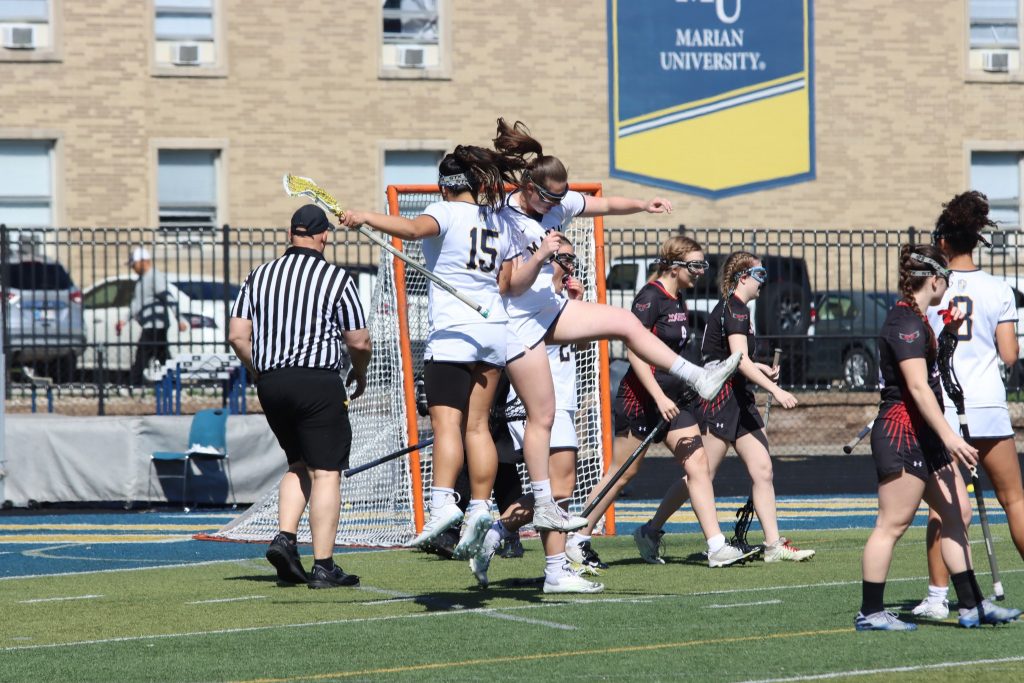
Wondering how to get recruited for women’s college lacrosse? Talent matters, but it’s only one part of the process.
According to the NCAA, nearly 100,000 girls play high school lacrosse, but only about 14% are expected to compete at an NCAA school. That means thousands of talented athletes are pursuing a limited number of roster spots.
You can’t control how many players are competing for those opportunities. But you can control whether college coaches know your name, see your film and understand why you’re interested in their program.
Recruiting isn’t simply a matter of playing well and waiting for an offer. You need to research schools, contact coaches, create an effective highlight reel and choose your recruiting events strategically. You also need to understand the recruiting timeline so you can prepare long before official conversations begin.
The process can seem overwhelming, especially when you’re trying to balance school, practices, tournaments and everything else in your life. But you don’t have to figure it all out at once.
Start with these five insider secrets to women’s college lacrosse recruiting. They’ll help you get noticed by the right coaches, avoid common recruiting mistakes and find a college where you can succeed academically, athletically and personally.
Insider Secret #1:
College Lacrosse Coaches Recruit for Fit, Not Just Talent
Yes, skill matters. But talent alone won’t guarantee you a roster spot.
College coaches aren’t simply collecting the most talented players they can find. They’re building a team that will practice, compete, travel and grow together throughout the season.
That means they’re looking for women’s lacrosse recruits who fit the team’s style of play, academic expectations and team culture.
They’re asking questions like:
- Does she communicate well?
- Is she coachable?
- Does her playing style match what our team needs?
- Will she strengthen our team culture?
- Can she handle the academic workload?
When two recruits have similar athletic ability or play the same position, the player who seems like the better overall fit may have the advantage.
What You Should Do
- Research schools and teams – Look into the colleges that interest you academically and athletically. Learn about each lacrosse program’s style of play and the qualities the coaching staff values.
- Build your personal brand – Demonstrate leadership, a positive attitude and coachability through the way you play and interact with coaches and teammates. Make sure your social media accounts also reflect your enthusiasm and positivity.
- Highlight your academics – Include your GPA, relevant test scores and any academic honors when you contact college coaches. A coach is unlikely to invest time in recruiting you if you aren’t academically qualified to attend the school.
Coaches may be able to support your application during the admissions process, but they can’t force the admissions office to accept you, no matter how talented you are on the lacrosse field.
Takeaway: Coaches don’t just recruit athletes. They recruit people. Show them the kind of teammate, student and member of the college community you would be.
Insider Secret #2
Reach Out to College Lacrosse Coaches or They May Never Discover You
Here’s something many recruits don’t realize: You shouldn’t wait for college coaches to find you. In many cases, you need to make the first move.
Coaches may be evaluating hundreds of prospective players while also managing practices, games, travel and their current rosters. They’re unlikely to attend your high school games or see you at every tournament. So how do you get their attention?
A well-written email can put your name and highlight video directly in front of them. Coaches won’t know you’re interested in their program unless you tell them, and then demonstrate that interest through ongoing communication.
A one-and-done email isn’t a realistic recruiting strategy. You need to stay on a coach’s radar by following up when you have something useful to share, such as new game footage, updated grades, an athletic achievement or an upcoming tournament schedule.
Consider the competition: More than 35,000 student-athletes and 1,200 college coaches participate in the IWLCA’s official recruiting platform. A thoughtful, personalized message can get noticed in such a crowded recruiting environment.
What You Should Do
- Introduce yourself – Send a brief introductory email that includes your name, graduation year, position, club team, GPA and contact information, along with a link to a short highlight video if you have one. Explain why you’re interested in that specific college and lacrosse program.
- Send follow-up emails – Write the coach again when you have news worth sharing, such as a new highlight reel, updated grades or a recent award. Out of sight can mean out of mind, so you want to stay in touch throughout the recruiting season.
- Share your tournament schedule – If you’re playing in upcoming tournaments, send the coach your schedule in advance. Include your team name, jersey number, game times and field locations. Send a brief reminder shortly before each tournament so you stay top of mind and the coach knows where to find you.
Takeaway: Don’t mistake persistence for being overly aggressive. Brief, personalized and useful follow-ups show initiative—and initiative can help you stand out and get noticed.
Insider Secret #3
Your Women’s Lacrosse Highlight Reel Must Make a Good Impression – Fast!
Coaches are busy. They won’t watch seven minutes of footage to find out whether you can play.
If your strongest clips are buried in the middle of your video, a coach may never reach them. And if you aren’t easy to identify on the field, even your best play could go unnoticed.
What You Should Do
- Start strong – Put your best three to five clips at the beginning of the video. Don’t save the best for last.
- Keep it brief – Aim for a focused three- to four-minute video, and keep the total length under five minutes.
- Identify yourself – Clearly circle, spotlight or point to yourself immediately before each play begins.
- Show the entire play – Use clear game footage that shows the play developing, not just the final seconds or resulting goal.
- Include a full, unedited game – Provide a link to one or more complete games for coaches who want to evaluate you further.
- Skip the bells and whistles – Long introductions, dramatic effects and slow-motion sequences can distract from your skills and delay the action.
- Show more than goals – Goals may get attention, but coaches also want to see how you contribute throughout the game. Depending on your position, include clips that demonstrate your decision-making under pressure, field awareness, and lacrosse IQ.
Coaches aren’t simply counting goals. They’re evaluating whether you understand the game and can help their team in multiple ways.
Takeaway: Lead with your best footage, make yourself easy to identify and show coaches what you contribute beyond scoring.
Insider Secret #4
Attending Lacrosse Tournaments, Showcases and Camps Isn’t Enough – You Need a Plan
Attending the right recruiting event can put you in front of college coaches. But simply registering and showing up doesn’t guarantee that coaches will notice you. Contacting coaches by email beforehand lets them know who you are, where you’ll be playing and why they should watch you.
At a large event, coaches may be watching multiple fields, teams and positions within a limited amount of time. They may not see every athlete or catch every athlete’s best moments.
That’s why your work should begin before the first whistle. When you contact a coach in advance, you give them a reason to look for you, a way to identify you and a better chance of finding your games.
What You Should Do
- Choose events strategically – Find out which colleges have attended the event in the past and which coaches are expected to attend this year.
- Be selective about camps – Camps can be expensive, so choose wisely. Don’t attend every event that promises exposure. Focus on camps hosted by schools you’re sincerely interested in attending.
- Introduce yourself appropriately – At camps, showcases and tournaments, briefly introduce yourself when appropriate, but always follow the event’s rules. Contacting coaches by email beforehand helps them to know who you are, where you’ll be playing and why they should watch you.
- Follow up after the event – Send the coach a short thank-you message, remind them where they may have seen you play and include an updated highlight reel if you have one.
Don’t measure an event’s value by how many coaches stood on the sideline. Measure it by whether the right coaches had the information they needed to find and evaluate you.
Takeaway: Exposure without a plan can get expensive. Exposure backed by research, communication and follow-up can create a real recruiting opportunity.
Insider Secret #5
The Women’s College Lacrosse Recruiting Timeline Starts Earlier Than You Think
Many girls’ lacrosse athletes wait until their junior or senior year of high school to begin thinking seriously about playing lacrosse in college. But the most prepared recruits start much earlier.
Before coaches can communicate with you directly, you can already be:
- Building a strong academic record
- Developing your lacrosse skills
- Creating a list of possible schools
- Learning about the different college divisions
- Gathering game film
- Honestly evaluating which level and programs may be a fit for you
Understand the Recruiting Rules and Timelines
NCAA rules establish guidelines for when and how coaches can communicate with you. Those rules vary by division and sometimes by sport:
- Division I: In women’s lacrosse, coaches generally cannot call, send recruiting correspondence or have recruiting conversations with you until September 1 at the beginning of your junior year.
- Division II: Coaches can generally begin recruiting communication on June 15 after your sophomore year.
- Division III and NAIA: These programs follow different rules and may be able to communicate with prospective players earlier. Always check the current regulations and ask coaches or compliance staff when you’re uncertain.
By the time official recruiting conversations begin, prepared athletes already have a sense of what they want academically, athletically and personally. Recruiting isn’t a single decision made during junior or senior year. It’s a process involving research, preparation and a series of decisions made over time.
You may not be able to have a recruiting conversation with a coach yet, but you can still prepare to make that conversation count.
What You Should Do
- Begin researching schools – As early as freshman or sophomore year, start learning about colleges that have lacrosse teams. But don’t limit your research to lacrosse rankings. Consider academics, location, enrollment, cost and campus culture.
- Create a recruiting spreadsheet – Track each school’s division, coaching staff and contact information, along with your emails, conversations and upcoming events. When you’re pursuing multiple schools – and you should be – it’s easy to forget what you discussed, which tournaments a coach plans to attend or whether you’ve already sent your highlight reel.
- Review the recruiting rules – Be aware of when and how college lacrosse coaches in each NCAA division are permitted to contact you. Because regulations can change, consult current NCAA or NAIA resources rather than relying on an old recruiting guide or social media post.
- Stay current on NCAA eligibility requirements – Make sure your high school courses keep you on the appropriate academic path for the division, colleges and majors you plan to pursue.
- Get evaluated – Ask your high school or club coach for an honest assessment of your current level of play. Watch teams at the colleges you’re considering to compare the speed, skills and style of play with your own.
- Revisit your school list regularly – As you progress through high school, your grades, skills, interests and priorities may change. It’s okay to add or remove schools from your list as you learn more about yourself and your options.
- Keep your family involved – The recruiting process can be expensive. Club dues, tournament fees, travel, hotels, camps and private coaching all add up. Discuss your recruiting budget and your family’s financial limits early in the process.
- Consider the total cost of college – College is expensive, and athletic aid may cover only part of the cost, if you receive it at all. Despite what you may have heard, few women’s lacrosse players receive full athletic scholarships. Many women’s lacrosse programs are at private colleges, where the published tuition may be substantially higher than at a public university.
Take a realistic look at the numbers with your family. Compare tuition, financial aid, expected debt and other expenses before deciding whether a school is an academic, athletic and financial fit. School loans can follow you for years after graduation, so consider your likely future earnings and debt before making a commitment.
- Explore non-athletic scholarships – Athletic scholarships aren’t the only way to reduce college costs. Depending on the school, you may qualify for:
- Academic merit scholarships
- Music, dance or fine arts awards
- Community service scholarships
- First-generation and diversity student aid
- Need-based grants
- Other institutional or outside scholarships
Even if a coach doesn’t offer you athletic scholarship money, the school may provide other forms of aid that substantially reduce your cost. Ask the financial aid office which awards can be combined and whether they are renewable for all four years.
Takeaway: Start early, document what you learn and revisit your options regularly. Good organization gives you clarity—and clarity helps you make informed, confident decisions.
Your Women’s College Lacrosse Recruiting Journey: Create the Opportunity You Want
Your future in college lacrosse isn’t random. It’s built through preparation, persistence and smart decisions.
Take control of your college lacrosse recruiting journey. Get informed. Be strategic. And find a college where you can thrive athletically, academically and personally.